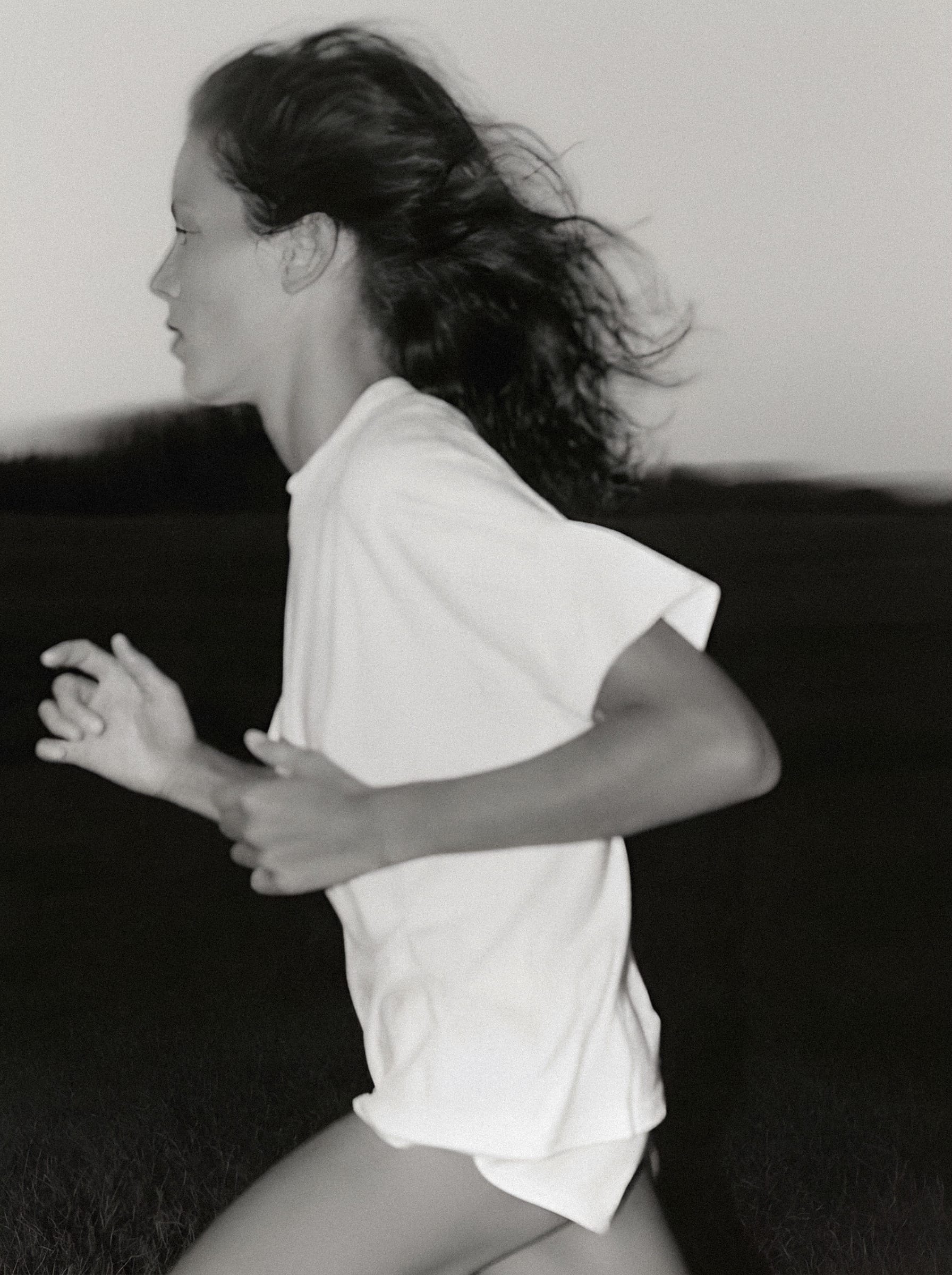
Before a crowd becomes a single view, it is a collection of separate arrivals. A person stops to adjust a sleeve. Another waits for somebody still crossing the road. A patch of color repeats at a distance, and the eye begins making connections between people who may never speak to one another.
Shared places acquire much of their character through these temporary arrangements. The same stretch of ground can feel open with a few people passing through, compressed when several groups stop, and strangely large again after they leave. Bodies give its distances a scale that walls and markings cannot supply alone.

From a distance, repetition is easy to see. Similar colors gather, movements align for a moment, and individual gestures become part of a pattern. Closer in, the pattern begins to break. Someone is looking away, a conversation has its own center, a hand is occupied with a small practical task. The wider image contains many kinds of attention.
Keeping that difference visible matters. A photograph can make a group appear more united than its members feel, simply by choosing a brief moment in which they face the same direction. Another frame may reveal the pauses and separate concerns around that action. Neither view can stand in for everything it was like to be there.
The quieter positions often offer another way into the scene. A person at the edge may be arriving, leaving, or taking a little distance. A seat between two groups can show how much room remains available. These details give the shared place more than one point of entry for somebody looking at the photograph later.

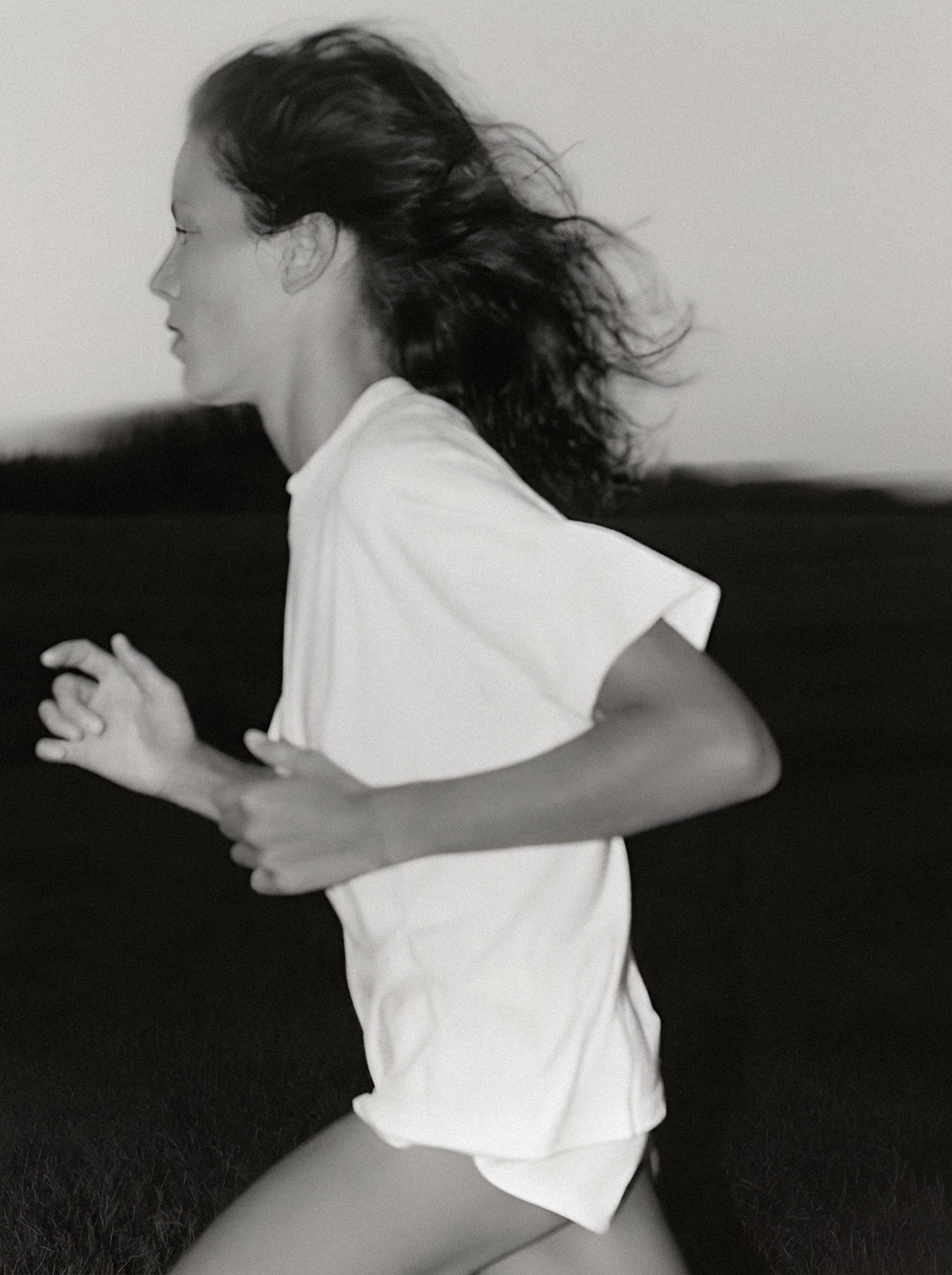
After the gathering
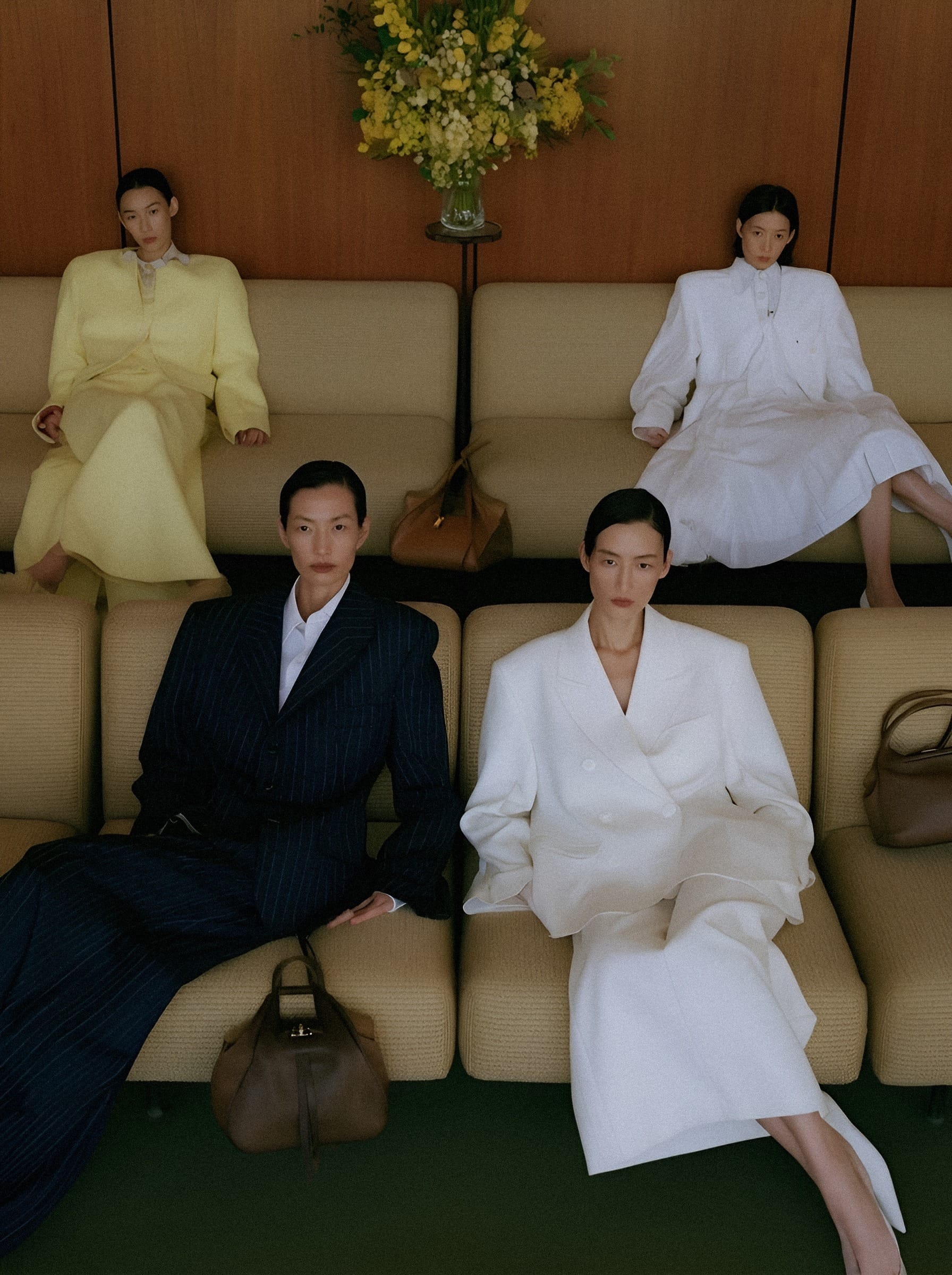
Color remains one of the quickest ways the eye holds the scene together. A muted garment near a bright surface, a repeated white shape, or the dark interval between figures can guide attention without explaining the occasion. The arrangement may last only a fraction of a second before a passing body changes it.
When the crowd disperses, the place reveals another scale. The distance between seats is visible again. Something left on a bench marks the recent presence of a group. A route that required negotiation becomes easy to cross, although the earlier image remains available in memory.
The ground belongs to these different states. Passing through it later, a person may recognize the corner where everybody waited, or simply choose the same patch of shelter. Another gathering begins with someone finding a place to stand.


Comments