Matter
A Quiet Purpose
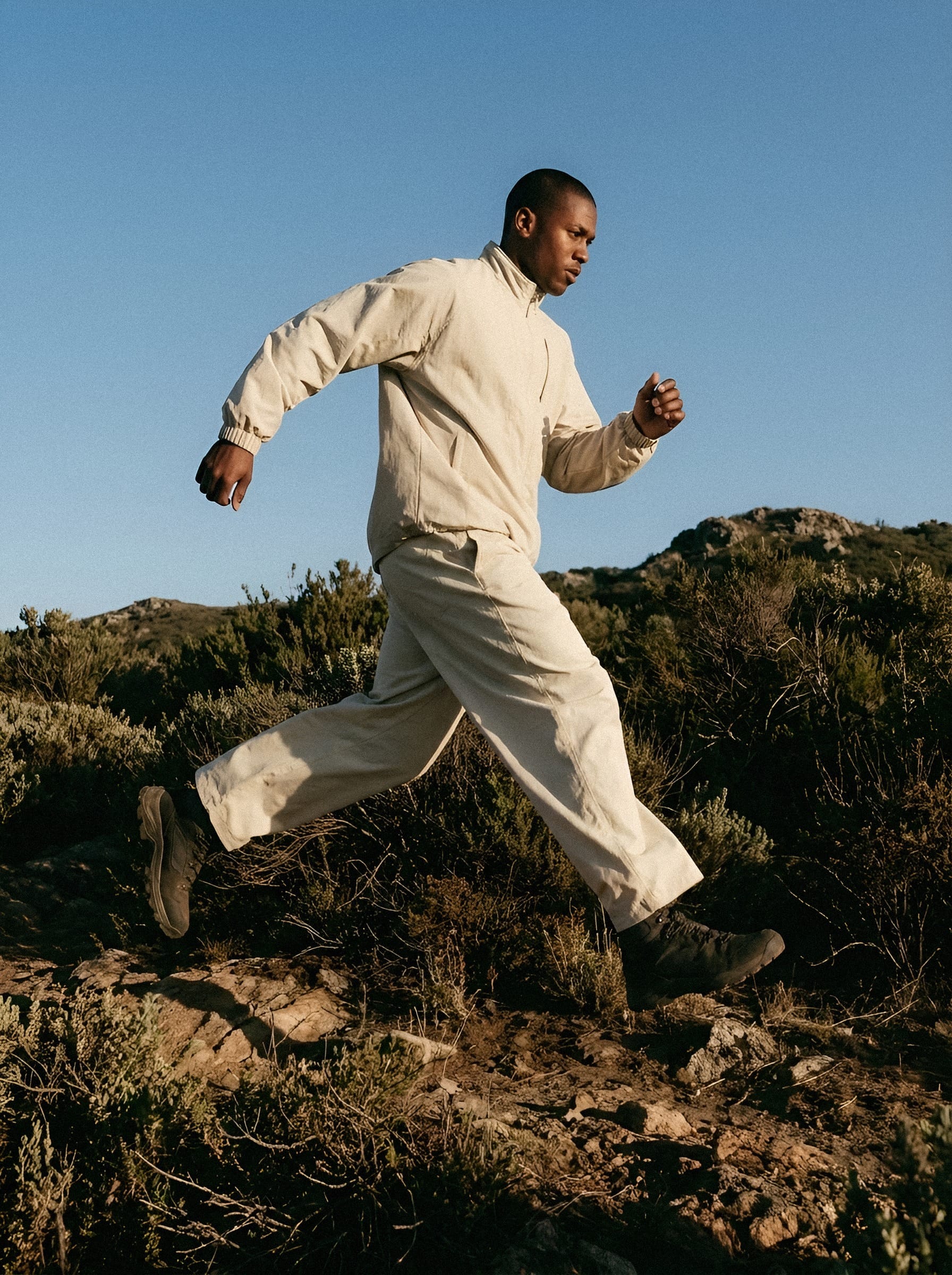
Things become part of a life through the ways they are used, kept, and returned to.
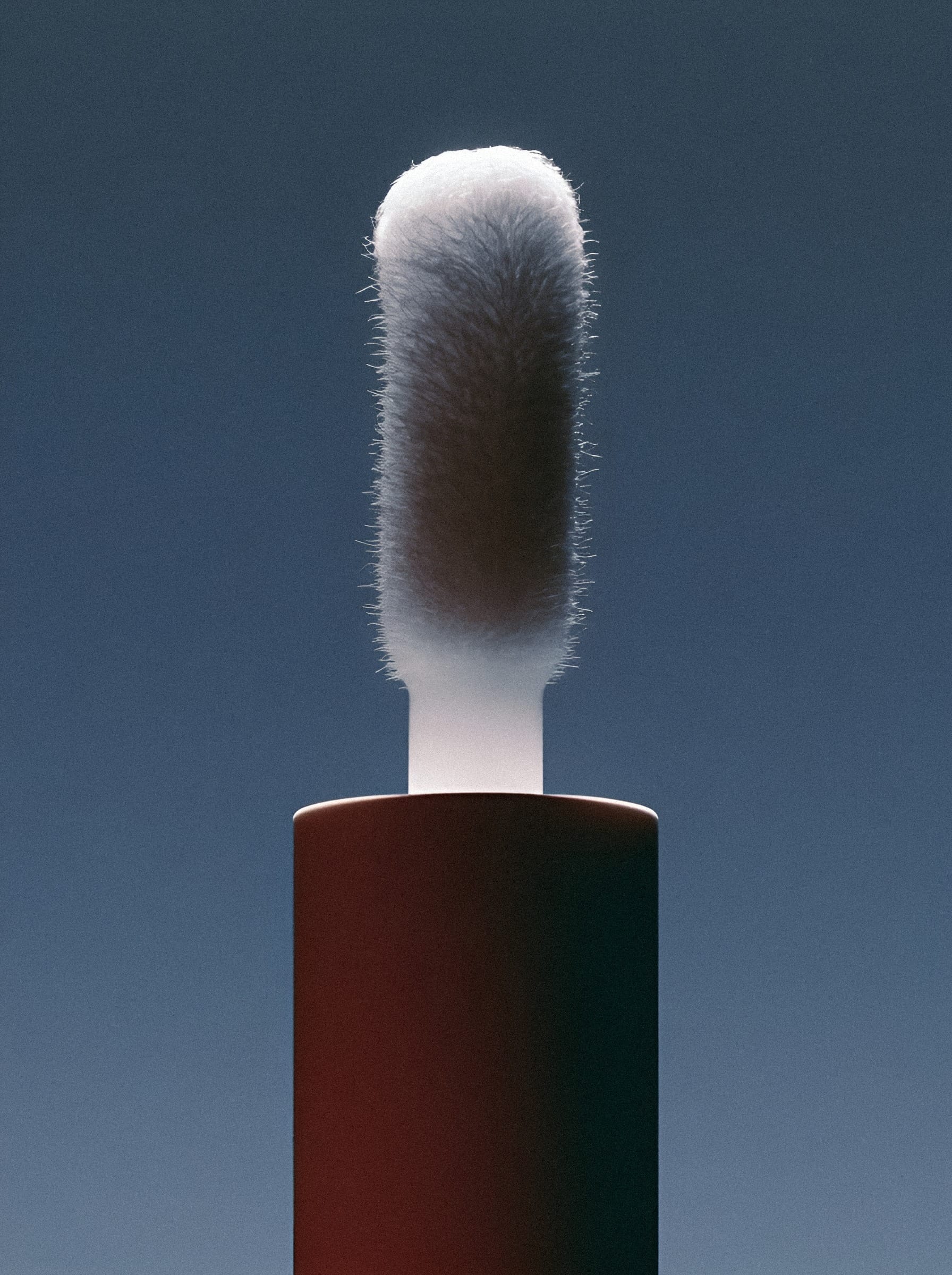
Where thought becomes tangible, and the things we make begin to take on a life of their own.
Things become part of a life through the ways they are used, kept, and returned to.

A brush, a length of cloth, the curve of a courtyard: each holds a possible beginning. Before a project settles on a subject, attention can move between things that seem to have little to do with one another. A repeated edge or an unexpected color gives the eye a reason to pause.
The first arrangement need not explain itself. Put two materials close together and their differences become more specific. One takes the light cleanly; the other breaks it into small shadows. An idea that felt vague in words begins to acquire a surface that can be tested.
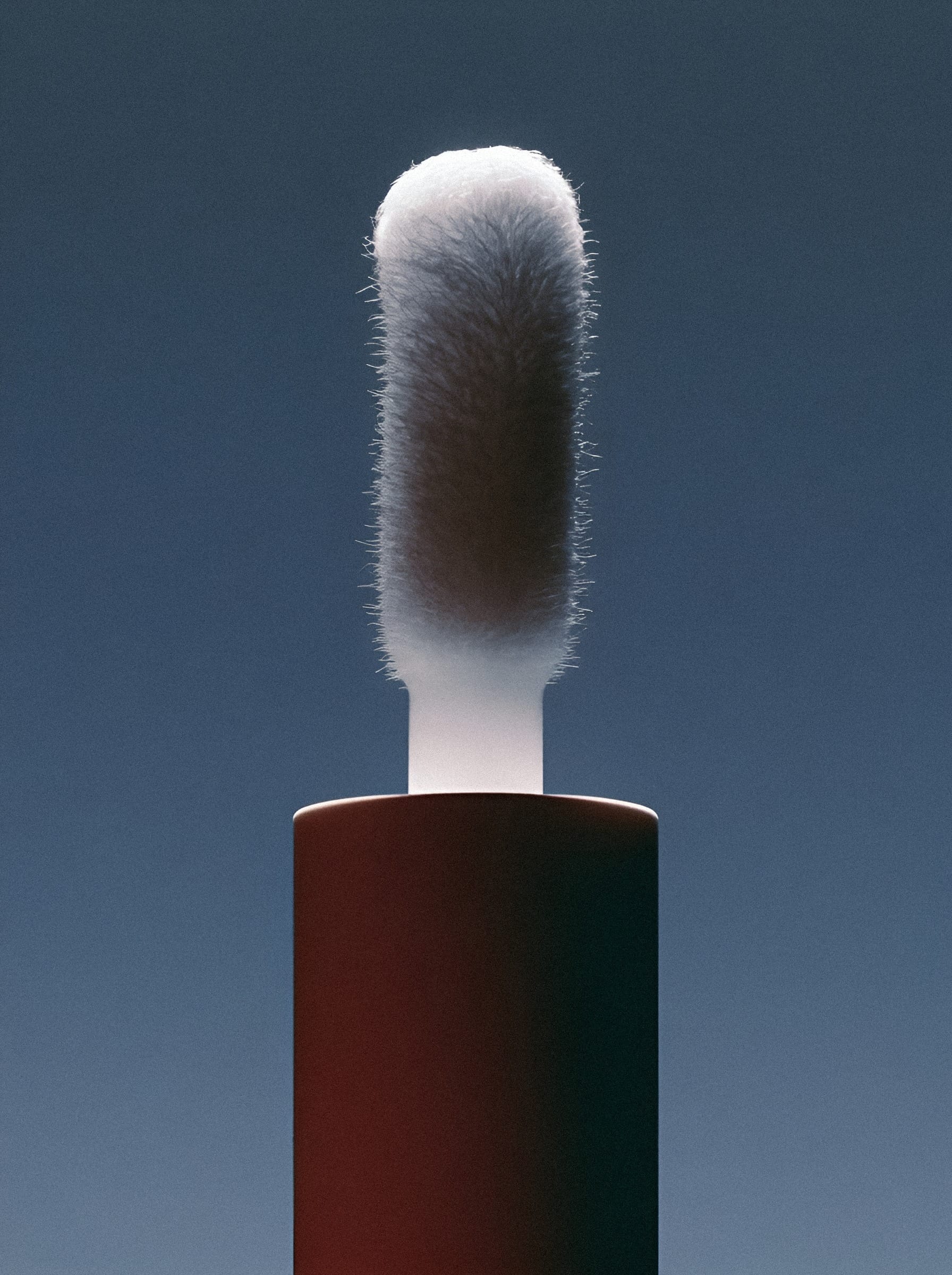
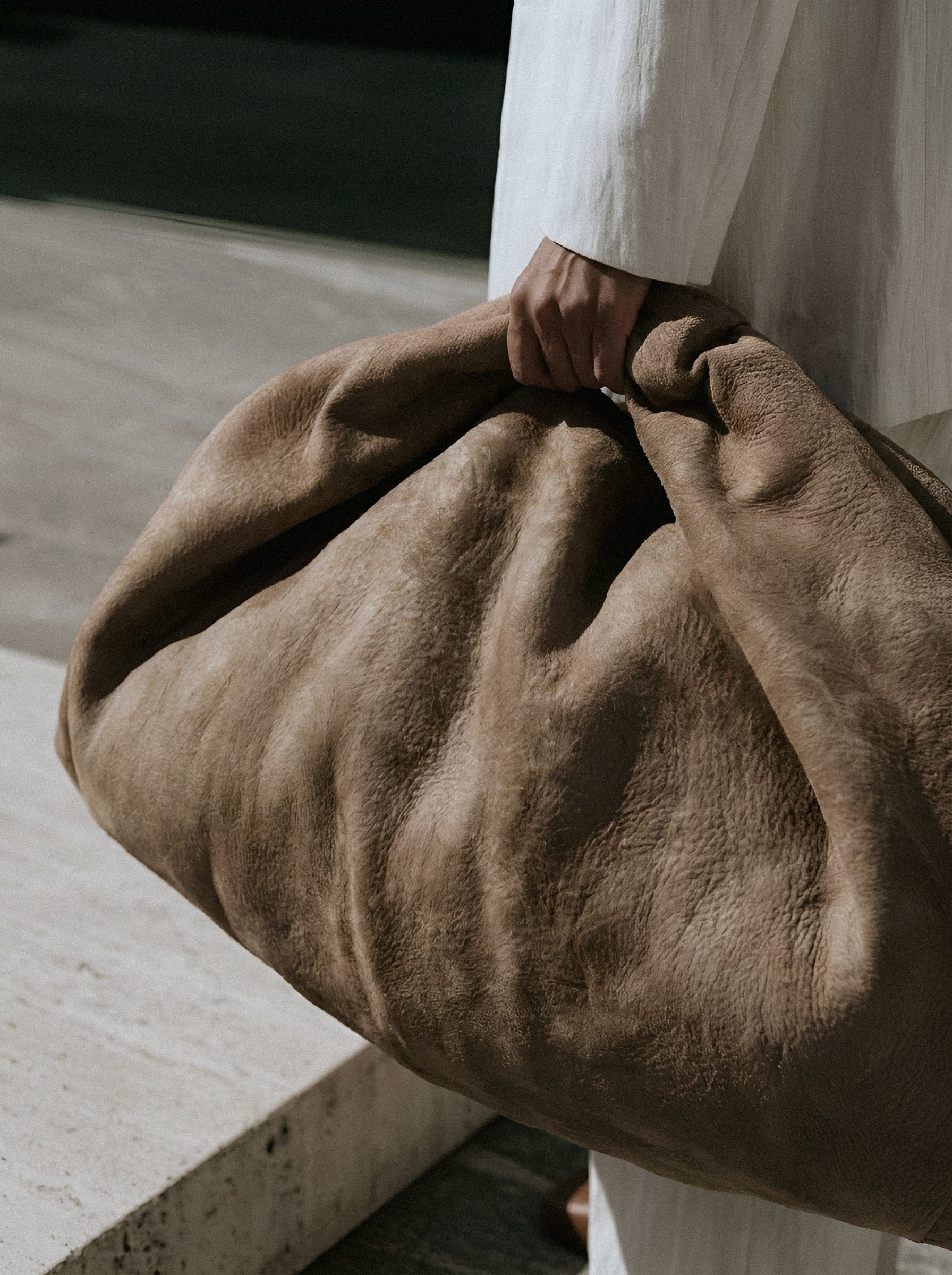
Making a sample introduces another kind of knowledge. Cloth has weight. A curve takes up space. What seemed light in a sketch may become cumbersome in the hand. These small disagreements give the next attempt something useful to answer, even when the sample itself is set aside.
An image can work in the same way. Its subject may belong to another world, while a particular fold, opening, or proportion feels close to the problem on the table. Keeping the connection loose allows it to lead somewhere less expected.


By then, the collection has begun to change. One reference leaves. Another becomes important for a reason nobody could have given at the start. The work has found enough direction to make a choice, while the discarded pieces remain nearby, ready for another question.
A room of samples and unfinished decisions, where the work begins before it knows what it will become.

An edit begins with attention: what we keep, what we leave out, and what we let speak.

Small beginnings that open a direction before the work has a name.