
In a notebook of saved phrases, the repeated words are often more revealing than the impressive ones. A person keeps circling back to the same kind of room, the same awkward detail, the same question nobody in the original conversation quite answered. Attention has begun making a selection before a style has been chosen.
Writing from that selection gives a piece somewhere particular to stand. The subject may be familiar, but the route through it follows what this writer could not leave alone. A broad account of a street becomes a piece about its doorways. An article about an object stays with the moment a hand first finds the place where it belongs.
Staying near the observation
The difficulty arrives when the draft tries to sound more authoritative than its material allows. A visible detail is replaced by a statement about culture, or a single encounter becomes a claim about everybody. The language grows while the writer's position becomes harder to locate. Returning to what was actually seen, heard, or supplied often brings the voice back within reach.
That does not require every sentence to be cautious. A clear preference can be stated plainly. The useful distinction is between giving a judgment and making the world agree with it. Describing why a photograph holds attention leaves room for another person to look differently; declaring what all good photographs must do closes that space before a conversation begins.
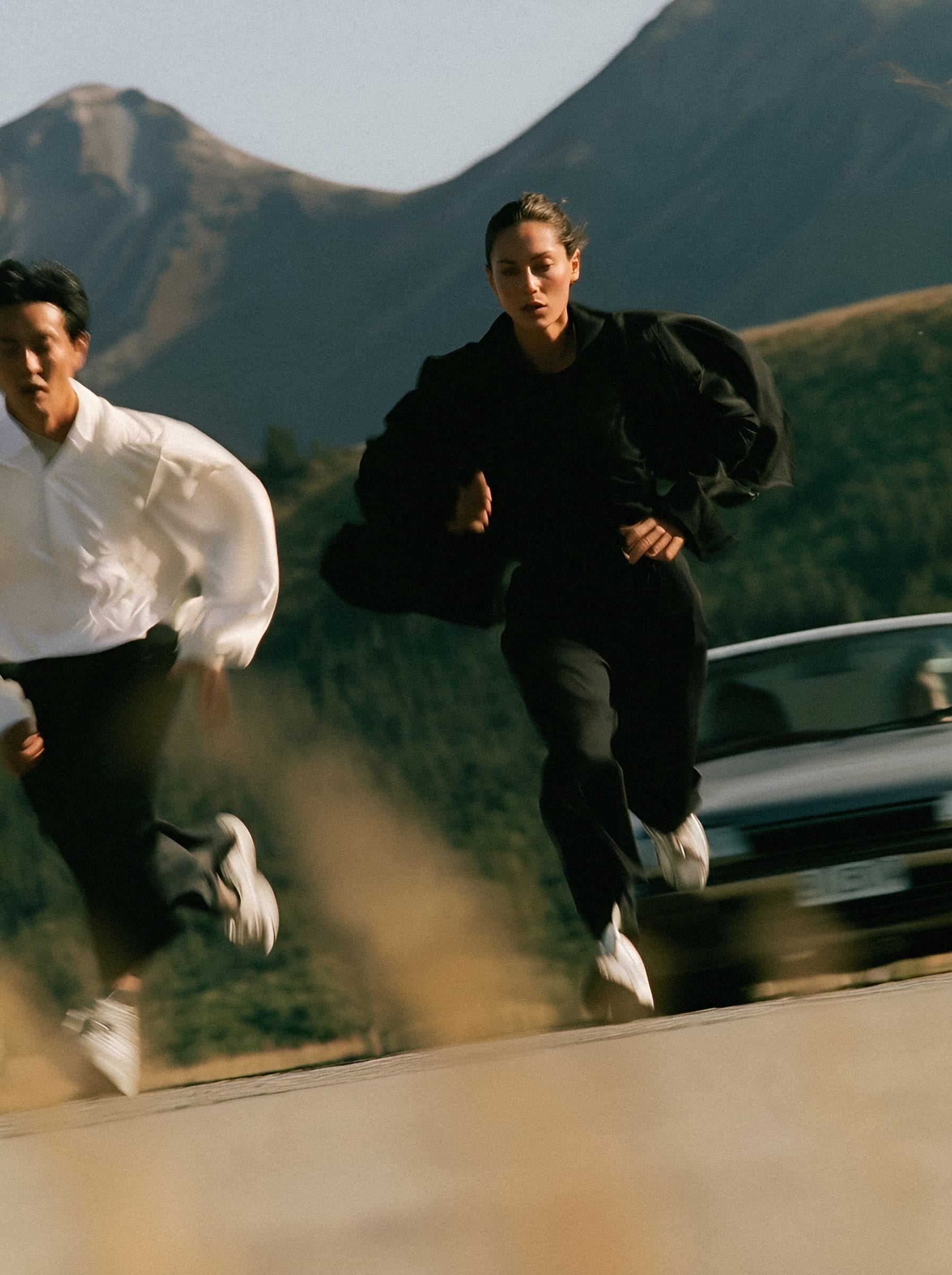


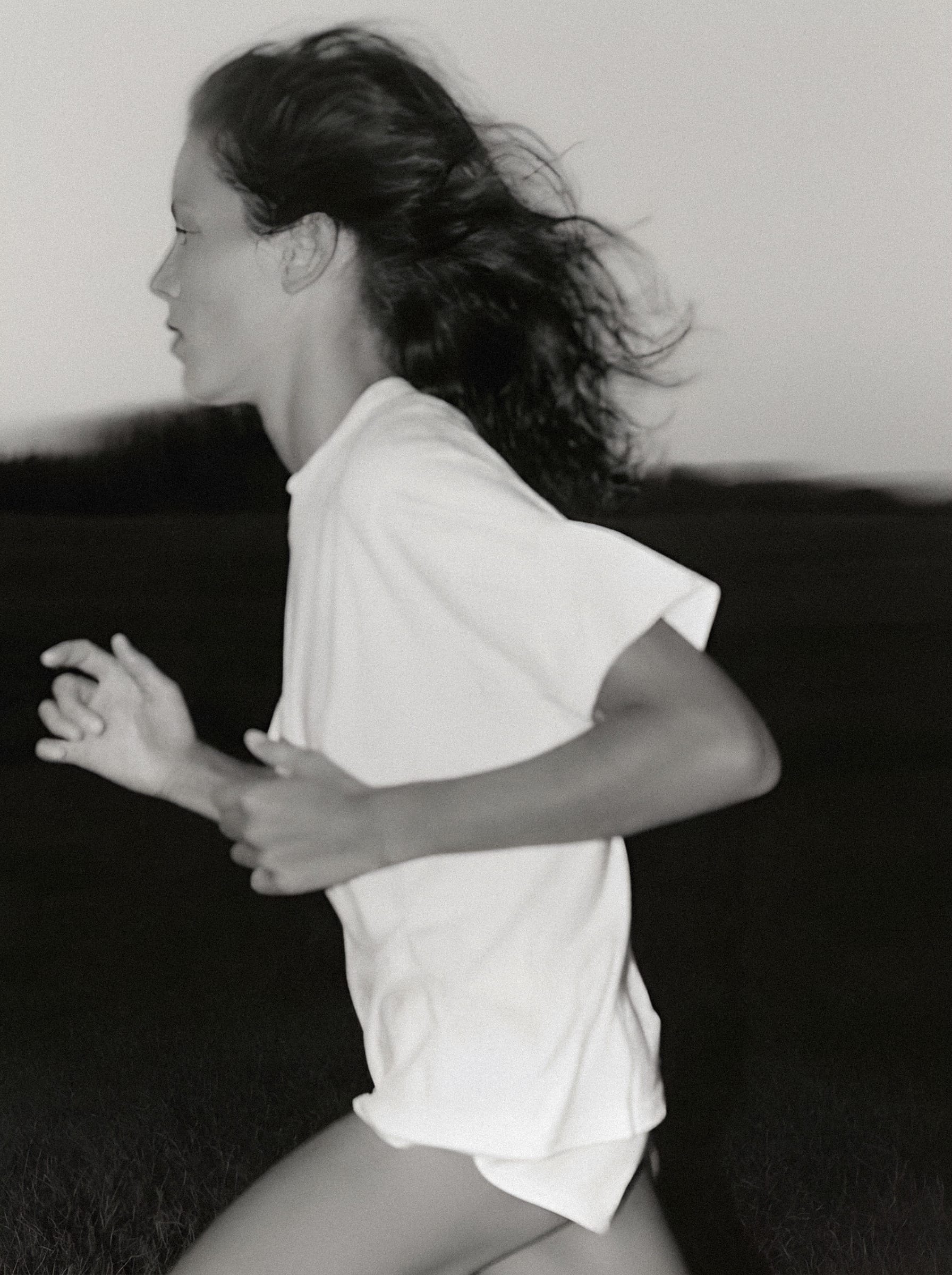
The photographs gathered around a piece offer a related test. A writer may be drawn to the movement of a body, a particular surface, or a detail at the edge of a familiar object. The connection becomes interesting when it is specific enough to describe. Calling every preference a mood leaves the most useful part of the choice unexplained.
What survives an edit
An editor can help by asking which sentences another competent writer would have produced in much the same form. Some of those sentences are needed to orient a reader. Others are covering a gap in the material. Replacing the latter with a closer observation changes more than the style: it gives the paragraph a reason to belong in this article.
There is no requirement to become recognizable through every line. A useful voice can explain a simple thing simply, and let the more particular choices gather across several pieces. Repeated attention becomes visible over time. The writer need not announce it on each occasion.
At the end of the edit, one modest detail may remain that once looked expendable: a loose thread, a sentence overheard incompletely, the direction a chair faces. Kept for a reason the writer can name, it gives the next piece somewhere to begin.



Comments