
Work rarely stays within the outline of a table. A sample moves to the window, a sheet is spread on the floor, and a chair is pushed back to see whether two things belong together. Making requires room for the object in progress and for the person who needs to move around it.
That movement can be lost when a workspace is arranged only for its still image. Everything fits neatly into the frame, yet there is nowhere to put something down while reaching for a tool. A useful room has a few available positions: a clear patch of surface, a place to stand back, a shelf that can accept an unfinished attempt without burying it.
The next action
Tools close to hand reduce the number of small departures needed to continue a task. Their arrangement should follow the work as it is done, which may differ from the order in which they were bought or the way they look most orderly on a wall. The tool reached for most often earns its accessible place through use.
Some materials need to remain visible for a while. A color sample changes beside another one; a folded shape becomes easier to judge after a night away. Giving these things a temporary surface keeps them from occupying every useful part of the room. It also makes their status legible: waiting to be reconsidered, rather than accidentally left behind.
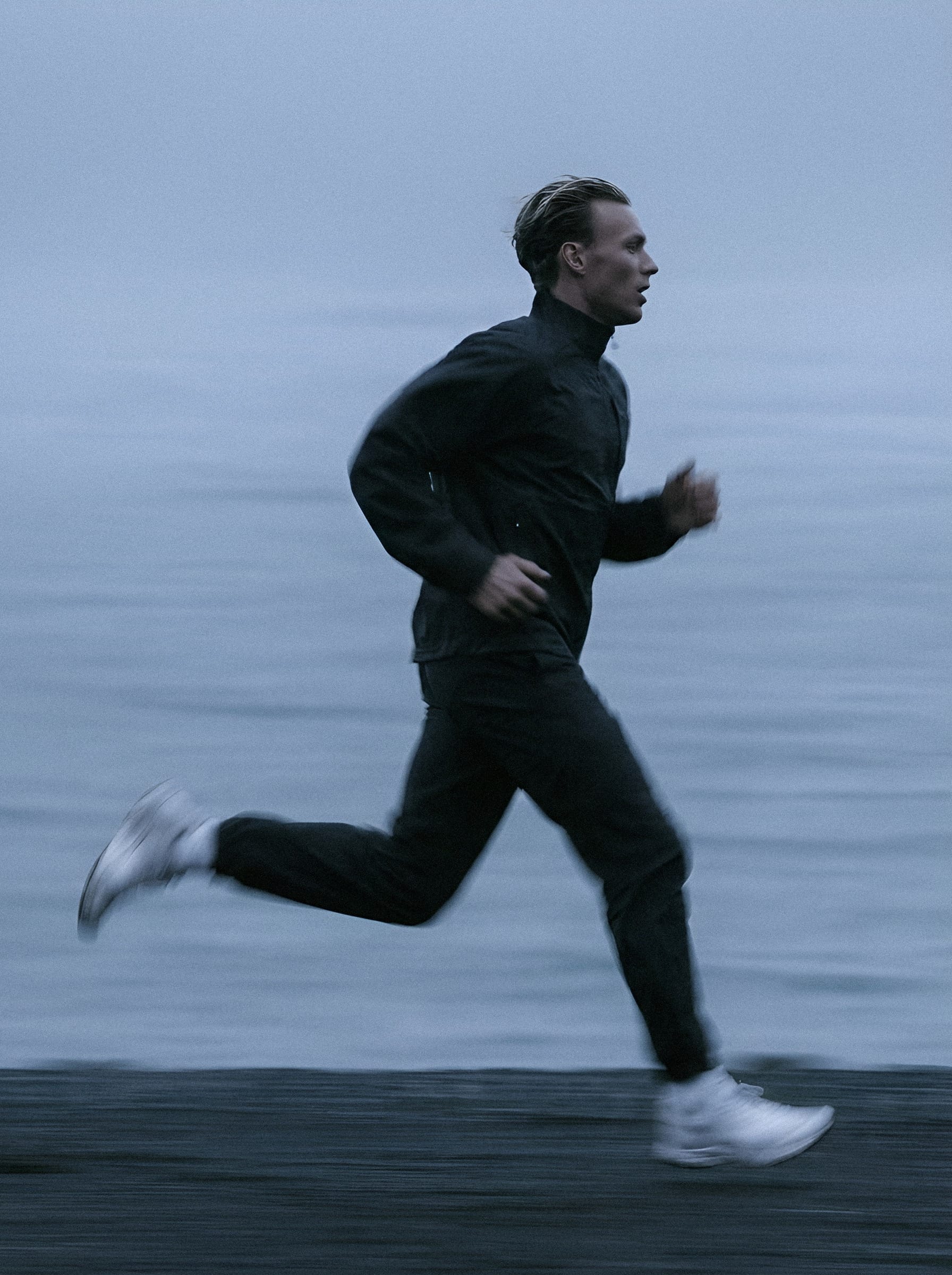

Physical practice offers a useful comparison. A repeated movement becomes possible because the body has somewhere to begin, enough room to act, and a way of noticing what changed. A studio can support the same sequence. Preparing the space is part of making an attempt possible, while leaving enough of it unassigned for the attempt to depart from the plan.
Leaving the room usable
Moving together
Shared spaces make this arrangement more demanding and more interesting. Someone else's task may need the same light or surface. A tray that allows a set of materials to move together can be more useful than a permanent claim on the best table. Putting a process away should not require reconstructing it from memory when it returns.
A brief note can hold that continuity. Name the sample worth checking, the measurement still uncertain, or the one thing to try first. The next session begins with a visible question instead of a room full of evidence that something once happened there.
At the end of a day, the room need not resemble its photograph. A tool may be drying, a sheet may still be pinned up, and the floor may show the route the work took. What matters for tomorrow is that there remains a place to stand, something to look at, and a surface willing to receive the next attempt.


Comments