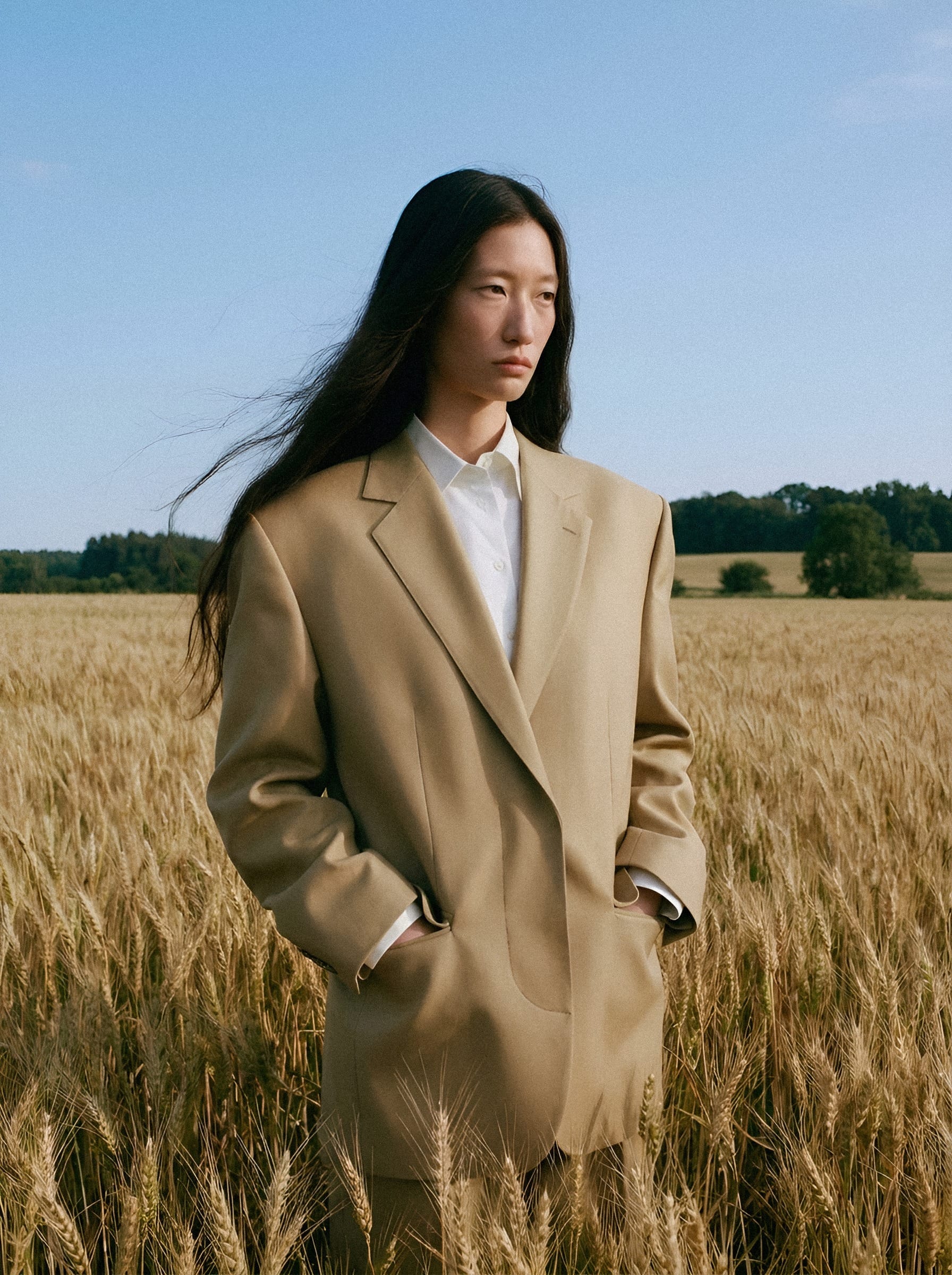
A hand drops from a collar. The shoulders settle, and the person in front of the camera looks toward a sound outside the frame. The pose has ended, although the photograph has not yet been taken.
This interval can hold a different kind of attention. Someone who has been arranging their expression begins thinking about the room again. A sleeve needs smoothing. Another person says something. The body has a small practical task, which gives the face permission to stop presenting an answer.
An unposed moment is still a photograph made by somebody. Distance, framing, and the decision to press the shutter remain choices. Calling an image natural should never make those choices disappear, or suggest that a person becomes more truthful simply by being caught unprepared.
Sometimes the most generous portrait allows both states to remain visible: the care someone took to be ready, and the ease that arrived when that care could rest. A turned wrist, a half-finished movement, a glance returned to the room.
Enough is left open for the person to have somewhere else to go.

Comments